– Sunscreen is killing the coral, sea life & is causing skin cancer, NOT the Sun! (Video):
https://youtu.be/emLpjpwdpQg
* * *
PayPal: Donate in USD
PayPal: Donate in EUR
PayPal: Donate in GBP
The man who trades freedom for security does not deserve nor will he ever receive either. – Benjamin Franklin

– The Sun Is Not Causing Your Skin Cancer (Natural Blaze, May 15, 2015)
Vitamin D prevents cancer, whereas sunscreen (intentionally) contains chemicals, that cause when mixed and just a little heated, sunbathing is enough, cancer!
The sunshine vitamin could save your life:
– Study: Vitamin D And Sunlight Reduce Breast Cancer Risk By 43 Percent
– Study: Light Therapy Clears Psoriasis And Boosts Vitamin D Levels
– New Study: UV Light Dramatically Lessens Multiple Sclerose Symptoms
– Study: Epidemic of Vitamin D Deficiency
– Vitamin D guards against bowel cancer, research suggests
– Vitamin D prevents diabetes, improves insulin sensitivity: Study
– Vitamin D prevents heart disease (… and 77% of all cancers)
– Twenty Reasons Why Vitamin D Is Better Than The Swine Flu Vaccine
– Michael Holick M.D.,Ph. D.: Vitamin D and Prevention of Chronic Diseases (MUST-SEE!!!)
– Epidemic Influenza And Vitamin D (Flashback)
– US: Vitamin D deficiency common in children
– Vitamin D is ray of sunshine for multiple sclerosis patients

Carmel Smith always wore sunscreen and insisted on sitting in the shade on holidays abroad
A YOUNG mum who never sunbathed has died after developing skin cancer.
Mother-of-two Carmel Smith always wore sunscreen cream in the sun and insisted on sitting in the shade on holidays abroad.
Doctors initially said she had a 99.9 per cent chance of survival but they were unable to prevent the cancer from spreading.
Now her devastated joiner husband Mal has urged anyone who fears they may have skin cancer to contact their doctor immediately.
Read moreCancer: Mum Who Avoided Sun And Always Wore Sunscreen Cream In The Sun Dies From Skin Tumor
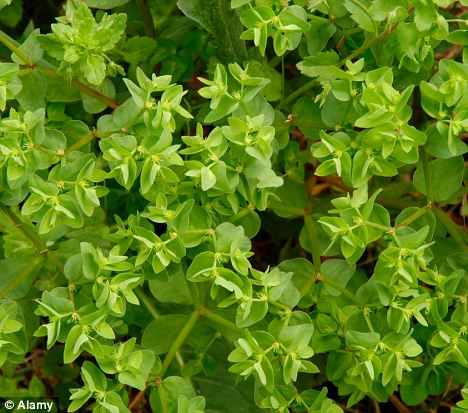
Petty Spurge miracle: You can find this weed invading gardens beds across the UK, but it has great cancer-fighting properties
A common weed could help cure skin cancers, claim researchers.
The sap from a plant known as petty spurge (Euphorbia peplus L.) – found by roadsides and in woodland – can ‘kill’ certain types of cancer cells when applied to the skin.
It works on non-melanoma skin cancers, which affect hundreds of thousands of Britons each year.
They are triggered by sun damage and, although not usually fatal, can be disfiguring without treatment.
The plant has been used for centuries as a traditional folk medicine to treat conditions such as warts, asthma and several types of cancer.
Read moreCommon Garden Weed ‘Cures Skin Cancer’, Say Scientists: Petty Spurge (Euphorbia peplus L.)
“Used as a cream for over twenty-five years in clinical trials in both Australia and the United Kingdom, BEC5 had success rate of over 78% when applied for eight weeks. Used for 12 weeks, the cream had a 100% success rate in removing cancers, none of which returned for the following five years.”
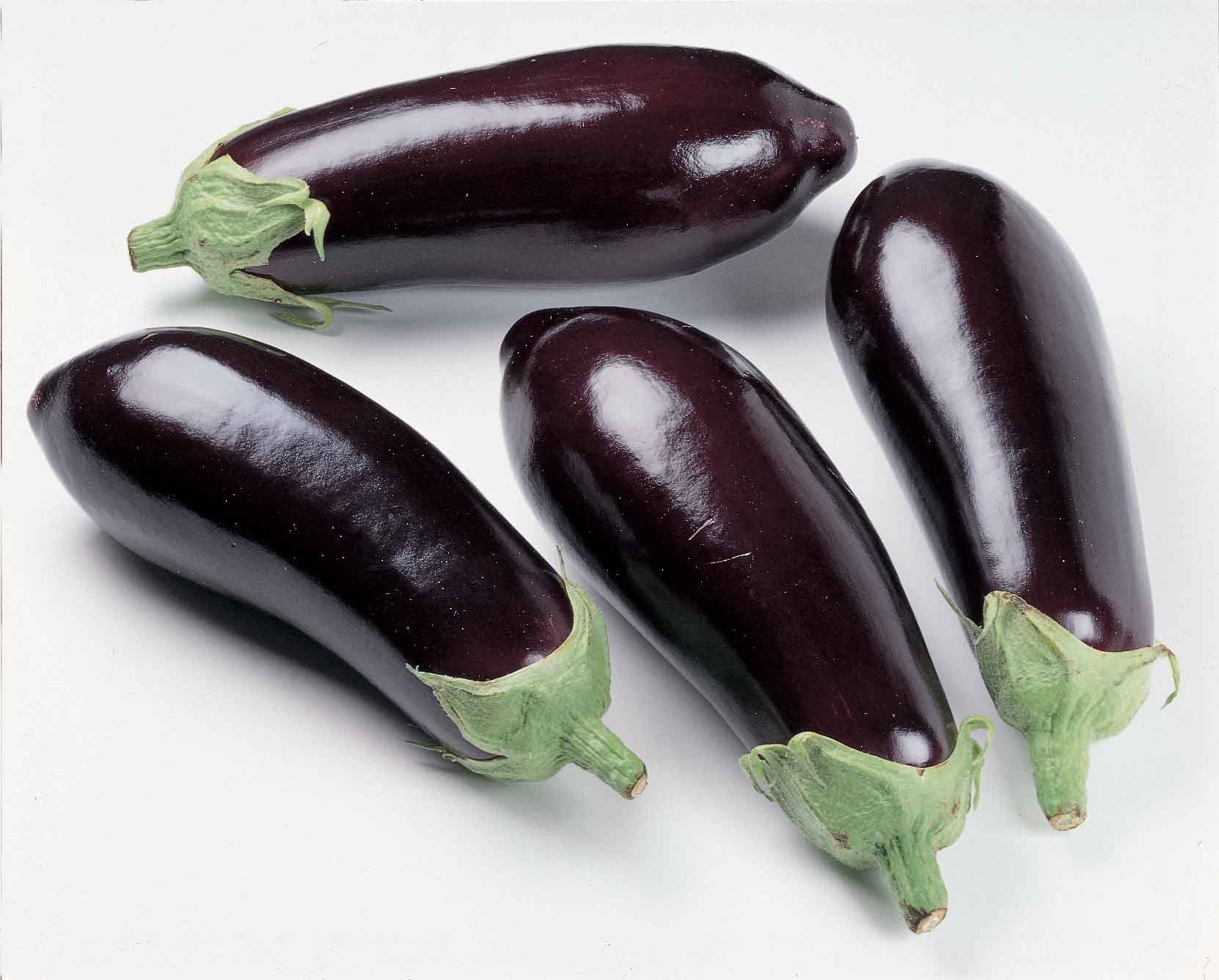
(NaturalNews) An ingredient in common eggplant has been shown to cure cancer. The eggplant extract is a phytochemical called solasodine glycoside, or BEC5. Dr. Bill E. Cham discovered it, after hearing of a folk medicine cure from Australian farmers. They told him of eye cancers cured in cattle after application of a poultice made from the fruit of a weed called Devil’s Apple, known in Latin as Solanum linnaeanum. This plant is part of the Solanacea family, which includes other common vegetables such as tomato and eggplant.
BEC5 works by bonding to a receptor on the surface of the cancer cell. After the cell digests the eggplant extract, it causes the cell to rupture. The cancer cell is destroyed and its contents are then reabsorbed by the body.
BEC5 has been proven effective in treating over 80,000 cases of skin cancer, preventing surgery. The types of cancer treated by eggplant are both invasive and non-invasive non-melanoma skin cancers. In every case the cancers went into remission and did not return. Australians have been curing their skin cancers using these phytochemicals for decades.

(NaturalNews) Herbs from the Lamiaceae family, also known as the mint family have been shown to drastically reduce the infectivity of HIV-1 virions, single infective viral particles. A research team from the University of Heidelberg has found that extracts of lemon balm, sage and peppermint work rapidly to produce their effects in amounts that display no toxicity. The extracts were seen to enhance the density of the virions prior to their surface engagement. They also displayed a strong activity against herpes simplex virus type 2.
The researchers examined water extracts from the leaves of lemon balm, sage and peppermint for their potency to inhibit infection by HIV-1. They found that the extracts exhibited a high and concentration-dependent activity against the infection of HIV-1 in T-cell lines, primary macrophages, and in ex vivo tonsil histocultures. This effect was produced at extract concentrations as low as 0.004% without affect to cell viability.
Read morePlants from the Mint Family Found Highly Effective Against HIV and Herpes
Related article: Sunscreen Causes Cancer!
The Environmental Working Group has shone light on what may be a falsely presumed protection from sunscreen.
The simple rule of sunscreen – the higher the SPF and the thicker the slather, the better – has come under doubt.
The Environmental Working Group (EWG), a Washington-based research group and habitual gadfly to the business world, has found that 4 out of 5 of the nearly 1,000 sunscreen lotions analyzed offer inadequate protection from the sun or contain harmful chemicals. The biggest offenders, the EWG said, are the industry leaders: Coppertone, Banana Boat and Neutrogena.
While 3 out of 3 industry leaders are rather upset with the EWG report, and while some dermatologists criticize it for hyperbole, the report does underscore several long-standing health concerns:
Sunscreens do not offer blanket protection from the sun and do little to prevent the most deadly form of skin cancer; reliance on them instead of, say, a hat and protective clothing, might be contributing to skin cancer; and the Food and Drug Administration has yet to issue any safety standards, mysteriously sitting on a set of recommendations drafted 30 years ago.
Subcutaneous homesick blues
(NaturalNews) Bee propolis is a remarkable natural substance collected and produced by honeybees. It is often referred to as a natural antibiotic and has many diverse uses. I love it when nature clearly has the upper hand over the frailty of our human science. Bee propolis is one such substance and has even been described as having anti-bacterial, anti-viral, anti-fungal, anti-inflammatory and even anti-cancer properties with immune modulating effects. These may sound a little too good to be true but you can’t go wrong with a bottle of bee propolis in your medicine cabinet. As a natural remedy it will be incredibly useful for at least it’s anti-viral effects.
What is Bee Propolis?
Propolis is a resinous substance that bees collect from trees and plants. Bees use it as a natural antibiotic to protect their hive and as defence against disease in the hive. They do this by using it as a seal over foreign matter so that it does not pollute the hive as well as for creating doorways. It is made up of waxes, resins, fatty acids and amino acids. Hundreds of chemical properties have been identified in propolis and this differs from hive to hive as well as with the environment the bees live in and the time of day the propolis was collected. This makes propolis exceedingly complex which is why no one has attempted to synthesise the product. It is natural and cannot be patented and therefore research into the substance is limited regarding its clinical benefits.
Propolis has long been used as a natural remedy and it is thought that it’s the numerous flavonoids which it contains that account for its wound healing benefits. Some studies suggest that it may be used against bacteria and viruses and other microorganisms when applied to infected areas topically. Propolis has anti-microbial action on both gram-positive and gram-negative micro-organisms. It contains constituents that increase membrane permeability and inhibit bacterial motility. It is commonly used for wound infection and other illnesses.
Anti-viral and Immune Boosting Effects
A study was done on the effects of bee propolis on Recurrent Aphthous Stomatitis (RAS) — also known as canker sores — at the Harvard School of Dental Medicine. Canker sores are an ulcerative disorder of the oral cavity. They have no cure and medicine used to prevent further outbreaks and relieve pain comes with its own set of dangerous side-effects. Bee propolis was evaluated as a potential remedy to reduce the number of mouth ulcer outbreaks. There were two groups of patients, one group who took a placebo capsule and the other group who took a propolis capsule. Patients who took the propolis capsule showed a significant decrease in the number of outbreaks of mouth ulcers. Another great effect of the propolis was that the patients reported a definite improvement in their quality of life. This would likely be due to the immune boosting effects that propolis has with its high levels of B-vitamin complex and notable quantities of vitamin C, E, and beta-carotene.
Propolis had shown anti-inflammatory action and has been used to treat arthritis as well as allergies and asthma. It has even been shown to be effective against MRSA, the antibiotic resistant bacteria that is affecting many hospitals. People who are allergic to bees should however use propolis with caution as an allergic reaction to the substance could occur. Recent studies have shown that there may be a place for trying propolis on skin cancer but these were test tube studies and not done on humans so trying this as a remedy for skin cancer should be done with the co-operation of your preferred health practitioner.
Read moreBee Propolis: Nature’s Healing Balm With Immune Boosting Properties
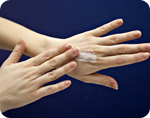
(NaturalNews) Given the fact that just about everything you put on your skin gets absorbed into your bloodstream, it is interesting that there is a complete lack of regulation of cancer-causing ingredients in skin care products. There are over 150 toxic cancer-causing ingredients currently used in cosmetic products alone. According to federal law, products containing cancer-causing substances should carry a written warning. But the FDA does not enforce this law with cosmetics or personal care products. Consumers are left to purchase these products at their own risk, and as a result they are being harmed by them.
Let’s consider a product that’s harming tens of millions of people every day in America alone: sunscreen. Sunscreen products do not block ultraviolet radiation very well unless you apply multiple coats, but there has been a flurry of research lately on the harm caused by sunscreen chemicals. These chemicals actually promote skin cancer. This product is causing the very condition from which it claims to protect people.
The skin is not the only organ that is harmed by sunscreen chemicals. Those chemicals are absorbed by the skin, circulate throughout the body and end up harming the liver, the organ responsible for neutralizing chemicals in the body. The continued use of sunscreen products — especially those with fragrance in them — will inevitably harm the liver and, in my opinion, can lead to organ failure or liver cancer.
Sunscreen is not the only harmful product people put on their skin; consider perfume and cologne. In an effort to smell attractive to others, consumers routinely put toxic chemicals on their bodies that come out of beautifully designed glass bottles. Most people do not realize that these fragrances are often made from toxic substances that are known to cause cancer; the perfume industry gets away with murder. This includes everything from skin cream to moisturizer lotion, not to mention shower soaps and other cleaning products with added fragrance. Unless you are buying the natural forms of these products from truly organic companies, there is no doubt that you are applying a bewildering array of harmful chemicals to your skin. And when you put them on your skin, they are absorbed directly into your bloodstream.
Climate change could lead to a heatwave in the south-east of England killing 3,000 people within the next decade, a Department of Health report said today.It put the chances of a heatwave of that severity happening by 2017 at 25%.
Without preventative action, the report said that a nine-day heatwave, with temperatures averaging at least 27 degrees over 24 hours, would cause 3,000 immediate deaths, with another 3,350 people dying from heat-related conditions during the summer.
It predicted that there would be an increase in skin cancers due to increased exposure to sunlight and that, over the next half century, air pollution could lead to an extra 1,500 deaths and hospital admissions a year.
While malaria outbreaks were likely to remain rare, the report – Health Effects of Climate Change in the UK 2008 – said health authorities would need to be alert to the dangers posed by possible larger outbreaks of malaria in continental Europe.

Eggborough power station, near Selby. The report says climate change
could lead to a heatwave in the south-east of England killing 3,000 people.
Photograph: John Giles/PA
Read moreClimate change soon could kill thousands in UK, says report