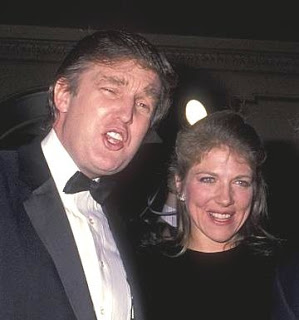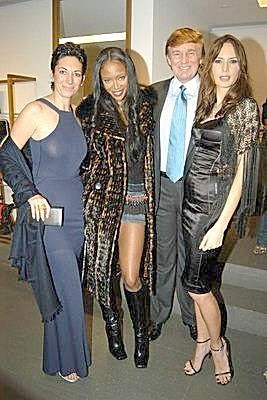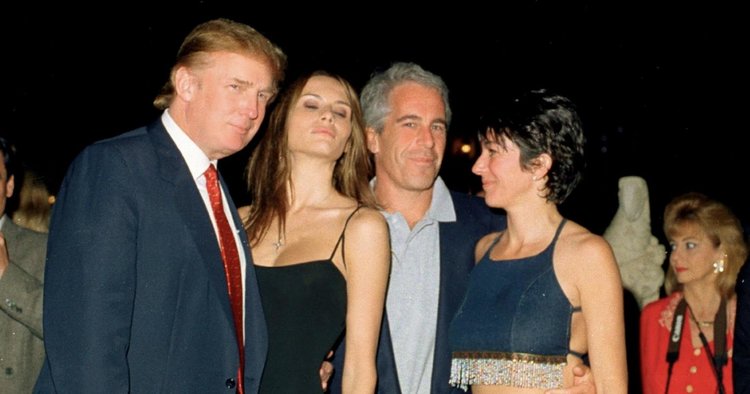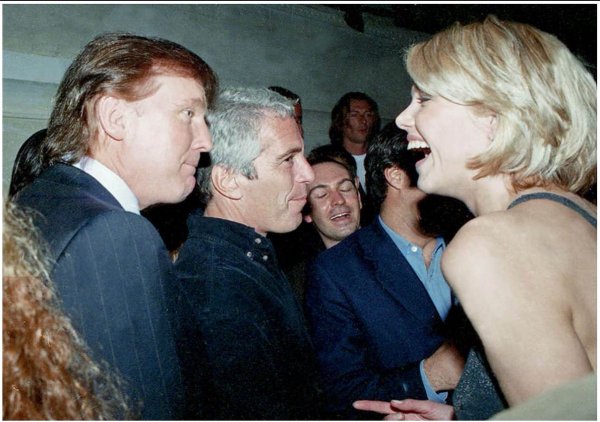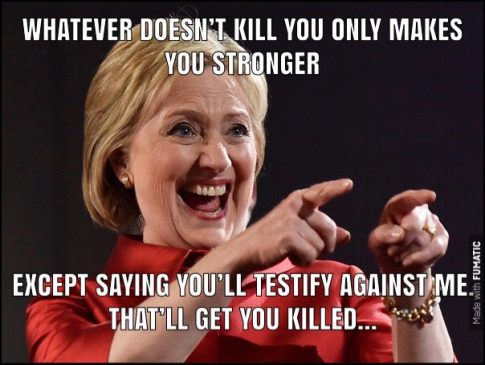
…, unless you are Jeffrey Epstein.
*****
via Jim Stone:
About the “FBI raid” on Little St. James
The FBI is there to make sure every last bit of evidence is expunged. This is VERY bad news. If you think having the “bleach bit smash them with a hammer and here, we’ll help you do it” FBI showing up on Epstien’s island is good news, you have it totally wrong, one thing and ONLY ONE THING will happen as a result – every last shred of evidence anyone independent could go there and find, or get with a drone, will be removed, incinerated, and scattered to the wind.
NO, TRUMP DID NOT FIX THE FBI.
Epstein is now being exonerated, the story will end with “forget about it, it was not what everyone thought” and in a few years, after hiding out in a resort with “five swimming pools and a lake” and having a few body mods, Epstein will go right back to life as usual, kids and all.
It is my opinion that anyone saying Epstein was removed so he could testify worse, or that he is dead, is OFF THEIR ROCKERS, Epstein flew El-Allolita to Tel Aviv where he’ll be re-born totally new and that’s the beginning, middle, and END of the story.
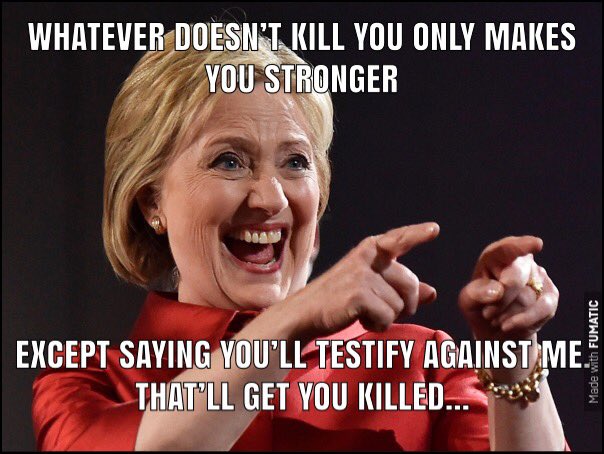
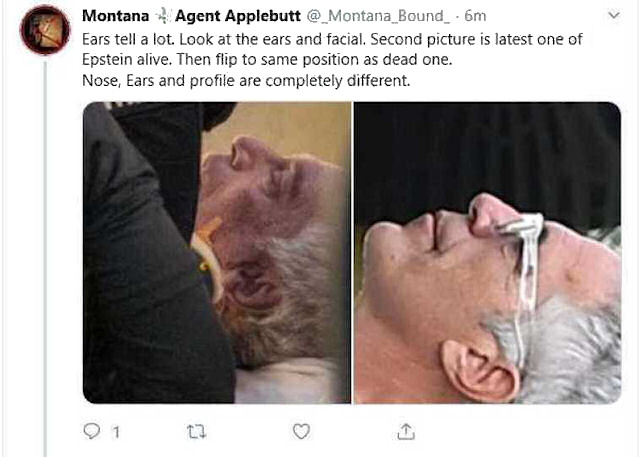
No camera video. Protocols not followed. NOT EVEN THE GUARDS WERE THERE, for three whole hours. How could anyone possibly overlook those problems, especially since it is obviously not even Epstein on the TWO (2) gurney picks, showing only forehead eyes and nose (and the wrong ones to boot) on one, and NOTHING on the other? The Hillary hearse picture on top is accurate, but NOT FOR EPSTEIN.
Look folks, I went on the story AS IT WAS before Epstein “killed himself”.
BEFORE: Epstein was in solitary on suicide watch.
AFTER: Epstein’s attorneys negotiated to get him out of solitary and off suicide watch.
THE BEFORE AND AFTER DO NOT MATCH which is why I never accepted the “after” version of events, which was simply framed to make the scenario “work”, complete with jail maintenance and a nonfunctioning camera. Yep. I can believe all those coincidences were as stated.
Update to below:
Evidently epstein may have been taken off suicide watch (but there’s so much B.S. with all this one could never know) but if so, he was in solitary so NO CELL MATE ANYWAY, fox is full of B.S.
STUPID: Fox News reported that “Epstein’s cell mate” was removed right before “suicide”.
1. Epstein was in solitary You don’t get a cell mate in solitary. . . . 2. Epstein was on suicide watch. You don’t get a cell mate when you are on suicide watch. . . . . 3. Epstein was in protected custody. You don’t get a cell mate when you are in protected custody. . . . Who the hell writes this hoax news anyway? Obviously the lowest common denominator “no facts needed” types. AND PEOPLE ATE IT UP because it was on FOX.
DING DING DING! WE HAVE A WINNER!
CNN’s now dead Anthony Bourdain used to fake Epstein on a gurney, for only God knows what reason.
Do an image search for Anthony Bourdain. You’d swear you image searched Epstein. I was taken aback, he’s damn near a dead ringer.

Look closely at the ear. We don’t have the same lighting and the glare on the comparison pic does cause interference but I brightened up the shadows enough to reveal that yes, with a close look at the details it is indeed the same ear on the gurney with the only differences being how the light hit it. I’d like to get another image with a better exposure but this is at least good enough.
Anthony Bourdain was a CNN personality who traveled and ate. He “committed suicide” in 2018.

Well, that cinches it, Epstein is not dead after all. My big question is why they did not picture him dead on a gurney, and why they used someone else. That’s odd, but that is what happened. Perhaps they already had Bourdain on a gurney and knew he was a close match for Epstein and used it, but that would not explain the over sized head. UPDATE: I JUST FIGURED OUT WHAT EXPLAINS THE OVER SIZED HEAD: They had a gap to fill on a gurney that had someone else on it. They had to cover up the face that was there. By the time they spanned the gap with enough of Bourdain’s face to look like Epstein, but not enough to include the mouth and chin, which would give it away, the head was too big. The eyes and nose and forehead and hair are somewhat passable on Bourdain if you forget about the ear, but the lips and chin don’t cut it at all, so they filled the gap without them, and that’s what makes the head look too big.
HOW ABOUT THIS: THEY WANTED TO COMMUNICATE TO EVERYONE “IN THE KNOW” THAT EPSTEIN WAS ALIVE. THEY USED A PIC THEY FIGURED WOULD FOOL THE GENERAL PUBLIC AND PERHAPS IT DID, BUT NOT FOR LONG!
MORE from Jim Stone HERE:
– Update 3: Another Critical Photoshop Error – Update 2: Jim Stone: BOOOOOMMMM!!!! EPSTEIN IS NOT DEAD, THE GURNEY PICTURES ARE FAKE AND I CAN PROVE IT! – Update 1: FBI Opens Probe After Jeffrey Epstein Dies In Apparent “Suicide”; Epstein was not currently on suicide watch when he was found in his cell this morning
* * *
Please support I. U. … if you can …
PayPal: Donate in USD
PayPal: Donate in EUR
PayPal: Donate in GBP