A catastrophic water shortage could prove an even bigger threat to mankind this century than soaring food prices and the relentless exhaustion of energy reserves, according to a panel of global experts at the Goldman Sachs “Top Five Risks” conference.
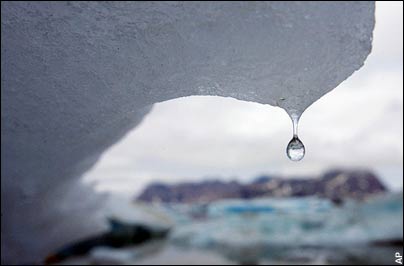
The melting of Himalayan glaciers threatens the water supply to the world’s rivers
Nicholas (Lord) Stern, author of the Government’s Stern Review on the economics of climate change, warned that underground aquifers could run dry at the same time as melting glaciers play havoc with fresh supplies of usable water.
“The glaciers on the Himalayas are retreating, and they are the sponge that holds the water back in the rainy season. We’re facing the risk of extreme run-off, with water running straight into the Bay of Bengal and taking a lot of topsoil with it,” he said.
“A few hundred square miles of the Himalayas are the source for all the major rivers of Asia – the Ganges, the Yellow River, the Yangtze – where 3bn people live. That’s almost half the world’s population,” he said.
Lord Stern, the World Bank’s former chief economist, said governments had been slow to accept the awful truth that usable water is running out. Fresh rainfall is not enough to refill the underground water tables.
“Water is not a renewable resource. People have been mining it without restraint because it has not been priced properly,” he said.
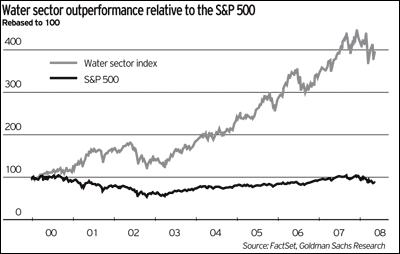
Water sector outperformance relative to the S&P 500
Farming makes up 70pc of global water demand. Fresh water for irrigation is never returned to underground basins. Most is lost through leaks and evaporation.
A Goldman Sachs report said water was the “petroleum for the next century”, offering huge rewards for investors who know how to play the infrastructure boom. The US alone needs up to $1,000bn (£500bn) in new piping and waste water plants by 2020.
Read moreWater crisis to be biggest world risk


