Flashback.
***
***
Source
* * *
PayPal: Donate in USD
PayPal: Donate in EUR
PayPal: Donate in GBP
The man who trades freedom for security does not deserve nor will he ever receive either. – Benjamin Franklin
* * *
PayPal: Donate in USD
PayPal: Donate in EUR
PayPal: Donate in GBP
Head of Pfizer Research: Covid Vaccine is Female Sterilizationhttps://t.co/mkhMxwmsHQ
— Infinite Unknown (@SecretNews) December 2, 2020
* * *
Please support I. U.
PayPal: Donate in USD
PayPal: Donate in EUR
PayPal: Donate in GBP
Putin Orders Mass Covid Vaccinations To Begin Next Week In Russia
"I’d ask you to organize the work in a way that would allow the start of large-scale vaccination by the end of next week."https://t.co/vKQvofzWl4
— Infinite Unknown (@SecretNews) December 3, 2020

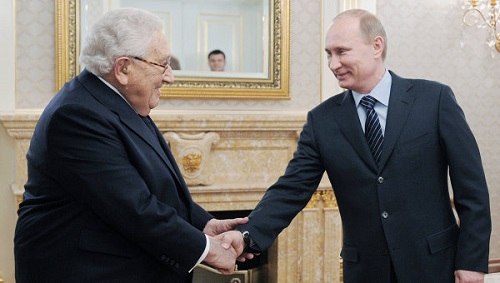
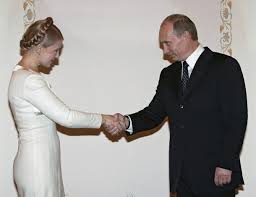

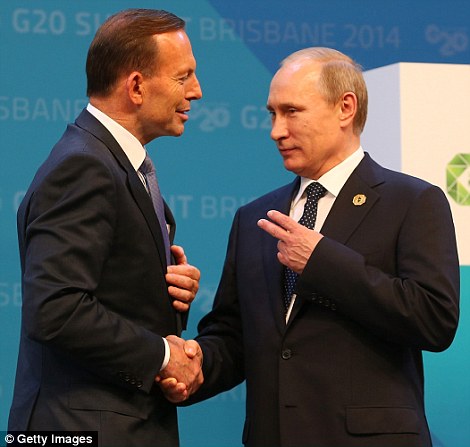
Sochi opening ceremony:

Sotchi logo with pentagram:

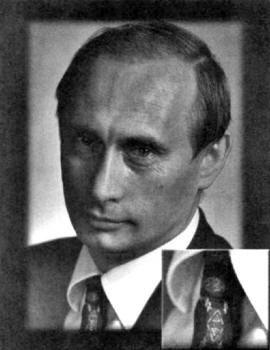
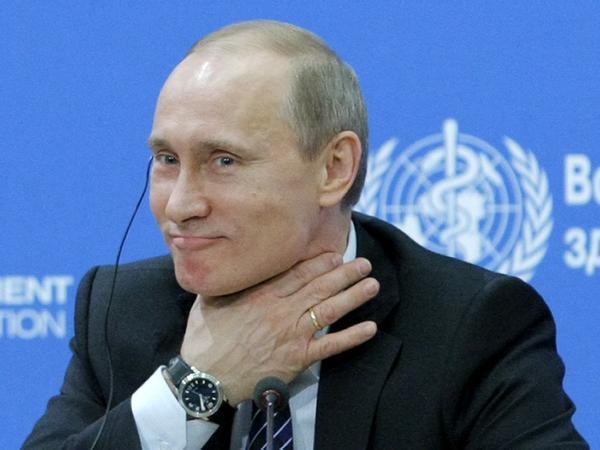

* * *
Please support I. U.
PayPal: Donate in USD
PayPal: Donate in EUR
PayPal: Donate in GBP
Partisans in the German forest:
Syrians practice killing German police officers in Brandenburghttps://t.co/hQdR6uhjgThttps://t.co/tk86FBLXMS
— Infinite Unknown (@SecretNews) November 30, 2020
Von MANFRED ROUHS | Der 24-jährige Fayez Kanfash hat in Deutschland Manches erreicht, wovon viele seiner Landsleute in Syrien nur träumen können: Ein schönes Leben, regelmäßige Einkünfte, eine Zwei-Zimmer-Wohnung im brandenburgischen Luckenwalde und mehr als eine Million Abonnenten auf Youtube. Mit jedem Video, das er dort hochlädt, mehrt er seinen Ruhm in der europäischen arabischen Community. Einen Höhepunkt erklomm seine Popularität, als er einen Mann mit Macron-Maske vor laufenden Kameras durch Berlin-Neukölln trieb und symbolisch auspeitschte (PI-NEWS berichtete).
Muslimische Helden fürchten nichts und niemanden, außer Allah. Was also täte Kanfash, wenn die deutsche Polizei ihn jagen würde? Nun, er würde den Beamten im brandenburgischen Wald auflauern, sie überwältigen und töten. Wie das dann aussähe, zeigt sein jüngstes Video.
Der Dreh erinnert an jugoslawische Kinofilme über den zweiten Weltkrieg aus den 1970er Jahren. Sie verherrlichen den Partisanenkrieg Titos gegen die deutschen Besatzer, die als roboterhaft handelnde Vollidioten inszeniert wurden, denen die umsichtig und heldenhaft kämpfenden Kommunisten den wohlverdienten Todesstoß versetzten. Ich habe diese Filme in den 1980er Jahren gesehen und mich gewundert, warum Jugoslawien von Deutschland Wiedergutmachung für Massenerschießungen an Partisanen und ihren Helfern forderte, obwohl die doch laut filmischer Darstellung annähernd unbesiegbar gewesen sein sollen. Nach diesen widersprüchlichen Eindrücken war seinerzeit meine Fähigkeit, Mitgefühl für die Tito-Partisanen zu entwickeln, nicht so stark ausgeprägt, wie es mein Geschichtslehrer für wünschenswert hielt, womit ich mir in der Schule Ärger eingehandelt habe.
Ein gutes Vierteljahrhundert später droht mir ein ähnliches empathisches Missgeschick: Nehmen wir einmal an, die echte deutsche Polizei würde Herrn Kanfash festnehmen und ihm dabei versehentlich den Arm auskugeln, was ja sehr schmerzhaft sein soll, dann würde ich es wahrscheinlich erneut nicht hinbekommen, darüber im offiziös eingeforderten Ausmaß moralisch entrüstet zu sein …
Das Video zeigt, welchen Stellenwert Polizisten für die heutige deutsche politische Klasse haben. Der Staat lässt muslimische Partisanen gewähren, die deren Ermordung üben. Er erlaubt ihnen die kampflose Einreise nach Deutschland und besorgt ihnen eine schöne Bleibe und verhätschelt sie. Und die öffentlich-rechtlichen Medien dieses States inszenieren jeden als gefühlloses Monster, der sich in deutschen Landen etwas mehr Partisanenbekämpfung wünscht.
* * *
Please support I. U.
PayPal: Donate in USD
PayPal: Donate in EUR
PayPal: Donate in GBP
https://youtu.be/YGlE3AJWEOY
* * *
Please support I. U.
PayPal: Donate in USD
PayPal: Donate in EUR
PayPal: Donate in GBP

********



* * *
Please support I. U.
PayPal: Donate in USD
PayPal: Donate in EUR
PayPal: Donate in GBP

Source: BitChute
* * *
PayPal: Donate in USD
PayPal: Donate in EUR
PayPal: Donate in GBP
#Australia Prime Minister Puts Citizens On Notice: All Will Likely Undergo Mandatory #COVID19 Vaccinations
"I would expect it to be as mandatory as you could possibly make it," PM Scott Morrison said, already going on the offensive against resisters…https://t.co/zRsWVnHzc7
— Infinite Unknown (@SecretNews) August 19, 2020
* * *
PayPal: Donate in USD
PayPal: Donate in EUR
PayPal: Donate in GBP
Turkey Hit By Bank Runs, Currency Panic As Locals Sell Their Cars And Houses To Buy Gold While Lira Implodes
"I think it is the best investment right now so I converted my dollars to buy gold."https://t.co/KqioaPjbOt
— Infinite Unknown (@SecretNews) August 16, 2020
* * *
PayPal: Donate in USD
PayPal: Donate in EUR
PayPal: Donate in GBP
'Black Lives Matter'-Mob Demands White People Give Up Their Homes
“Now we’re bringing it to your front door!”https://t.co/LYPZdeLYsx
— Infinite Unknown (@SecretNews) August 16, 2020
* * *
PayPal: Donate in USD
PayPal: Donate in EUR
PayPal: Donate in GBP
A large, planet-sized mass inhabits our solar system, and its large elliptical orbit around the sun brings it across Earth’s orbital plane every 3,600 years or so, wreaking havoc on our planet due to strong gravity effects. The U.S. government has been aware of the approach of “Planet X” for over forty years, warns John Moore “The Liberty Man,” in a jaw-dropping new interview on Brighteon Conversations. (See below.)
While Planet X won’t strike the Earth, it’s nearby approach will unleash cataclysmic consequences across our planet that may bring an end to human civilization as we know it, Moore explains in the interview. Those effects may include a global “pole shift,” which means the Earth’s crust slips to a new orientation, unleashing extreme winds, volcanoes, earthquakes, flooding, tidal waves and more.
“Every structure on the surface of the Earth would be destroyed,” explains Moore, who reveals the governments of the world are frantically constructing more underground bunkers in anticipation of catastrophic events.
John Moore is a former U.S. Army intelligence analyst and took part in 57 air combat missions over Vietnam and Cambodia. He later become a homicide detective for the state of Missouri. As a long-time radio host, Moore has developed a long list of sources inside government and the U.S. military. He hosts a radio show each weekday from 8 – 10 am central time, via Republic Broadcasting. Learn all the details at TheLibertyMan.com
As Moore explains in the video below, the pole shift would place North America closer to the equator than its current position, and the “bulge” of ocean water at the equator (due to centrifugal forces of the rotating planet) would raise the level of the ocean by hundreds of feet compared to the continental United States. John Moore’s website — TheLibertyMan.com — hosts this map of anticipated changes. Note that Florida and much of the Eastern seaboard are under water in this depiction:
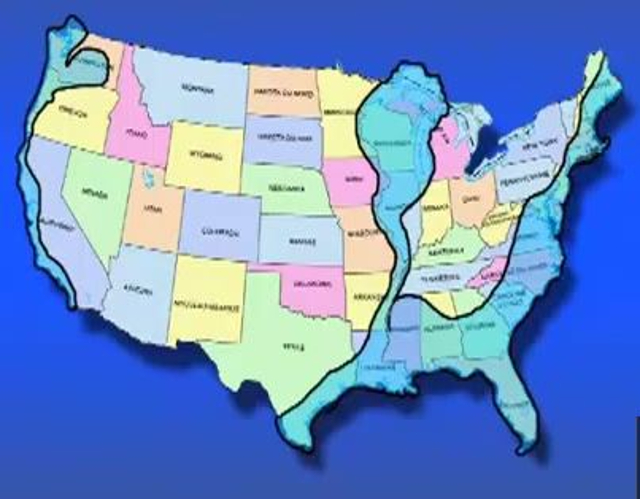
In the video below, John Moore explains how people living in other areas of the world can easily determine whether their current locations will be inundated with higher relative ocean levels.
Read morePlanet X warning for Earth: An interview with John Moore, The Liberty Man (Video)
https://youtu.be/MSi9host3tQ
* * *
Please support I. U.
PayPal: Donate in USD
PayPal: Donate in EUR
PayPal: Donate in GBP
https://youtu.be/MazB0stHRVE?list=PL2t3IQ4o9EgR5qv5DR0j7XFW7foDqFUHg
https://youtu.be/eFmq3w1-hQY
* * *
Please support I. U.
PayPal: Donate in USD
PayPal: Donate in EUR
PayPal: Donate in GBP
Continue to…

* * *
Please support I. U.
PayPal: Donate in USD
PayPal: Donate in EUR
PayPal: Donate in GBP
https://youtu.be/ejOyzX5eWBE
* * *
Please support I. U.
PayPal: Donate in USD
PayPal: Donate in EUR
PayPal: Donate in GBP
* * *
Please support I. U.
PayPal: Donate in USD
PayPal: Donate in EUR
PayPal: Donate in GBP
Seattle Moves To Replace 'Racist' Police With 'Trauma-Informed, Gender-Affirming, Anti-Racist' Organizations
Citizens On Patrol…https://t.co/uM7pezRNpj
— Infinite Unknown (@SecretNews) August 1, 2020
* * *
Please support I. U.
PayPal: Donate in USD
PayPal: Donate in EUR
PayPal: Donate in GBP